A clog that comes back is a symptom
Almost every homeowner has cleared a slow drain and moved on. The frustrating version is the drain that is slow again three weeks later, or the tub that gurgles every time the washing machine drains. When that happens, the clog is not the problem. It is the visible part of a problem further down the line, and clearing the same spot over and over treats the symptom while the cause keeps building.
This guide explains what recurring clogs usually mean in homes around Fellsmere, Sebastian and the rest of Indian River County, how to tell a local clog from a main-line issue, what to do while you wait for a plumber, and what a fix that actually lasts looks like.
Local clog or main line? Read the pattern
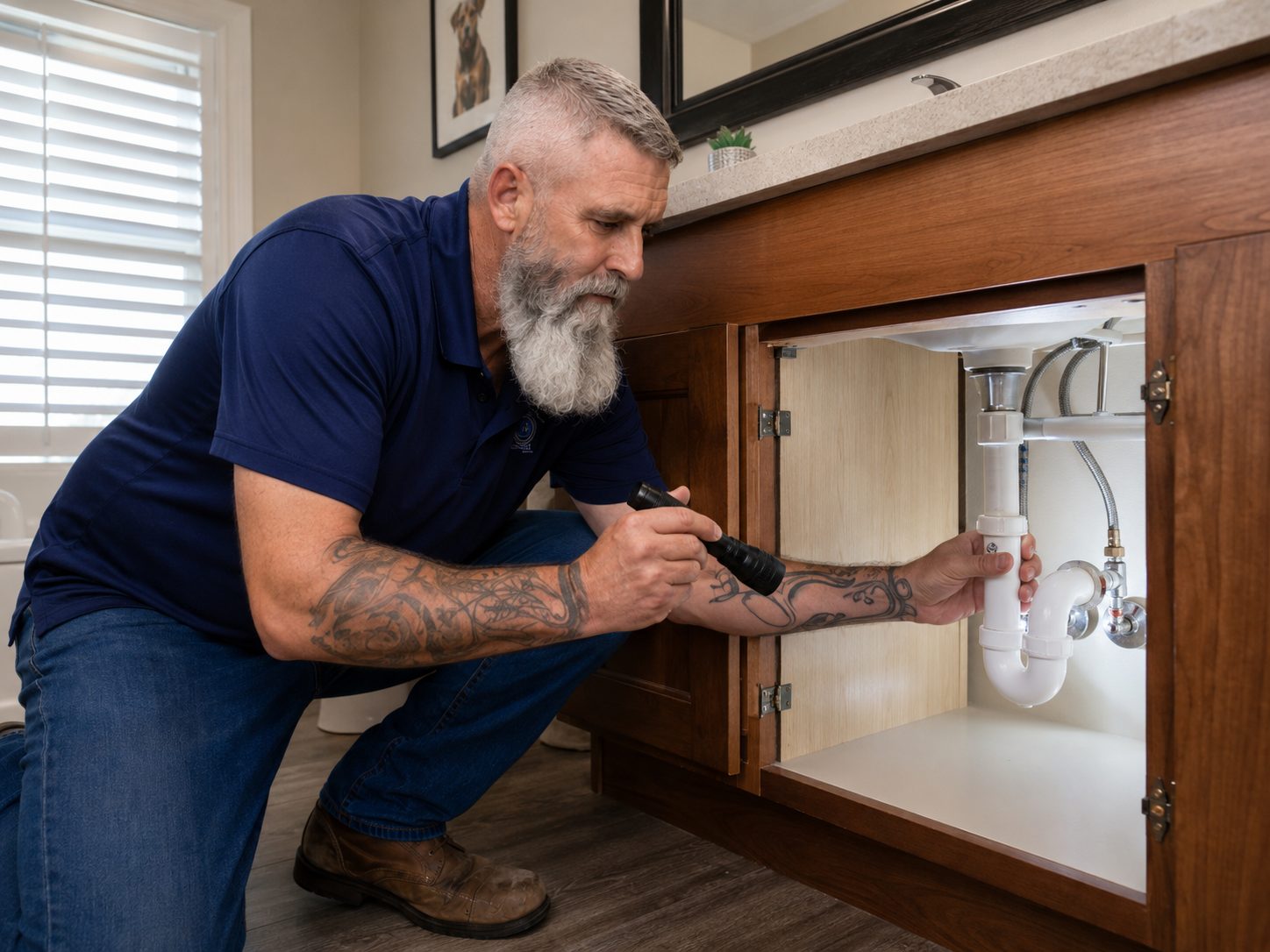
The single most useful thing you can do is notice how many fixtures are involved. A single slow bathroom sink with everything else draining normally is a local clog: hair, soap and product in that fixture's trap or branch line. It is a nuisance, but it is contained.
When fixtures in different rooms misbehave together, the blockage is downstream of where their lines meet. The giveaway is water showing up where you did not send it: the tub gurgles or fills when the toilet flushes, the lowest shower in the house backs up when the washer empties, or toilets throughout the home flush weakly at the same time. That pattern points to the main drain or sewer line. Snaking one fixture will not fix it, and it is the most common reason a "cleared" drain comes right back.
- One fixture slow, everything else fine: local clog
- Several fixtures in one bathroom slow: branch line for that room
- Fixtures in different rooms or floors backing up together: main line
- Gurgling after flushing, sewage odor, or water at the outdoor cleanout: main line, stop running water
Why clogs keep coming back
Once you know the clog is deeper than the fixture, the question becomes what is narrowing the line. In this area a few causes account for most of the repeat calls we see.
Tree and shrub roots
Mature landscaping is part of what makes established neighborhoods attractive, and roots are drawn to the moisture and nutrients inside a sewer line. They work into joints and small cracks, then catch paper and debris. A cable can cut roots back and restore flow for a while, but they grow back, which is why a root-related clog tends to return on a schedule.
Grease, soap and scale buildup
Kitchen grease cools and hardens on the pipe wall, soap and hard-water minerals add to it, and over years the inside diameter of the line shrinks. A narrowed line clogs on less and less. Clearing a hole through the buildup restores flow, but unless the buildup itself is addressed the line clogs again.
A bellied or settled section
Sandy soil and seasonal rain can let a buried line settle, creating a low spot, or belly, where water and solids pool instead of flowing through. Everything that passes drops debris in that dip, so it clogs repeatedly no matter how many times it is cleared.
Older or damaged pipe
Older homes may still have original drain lines, and some older materials deteriorate, crack, or lose their smooth interior. Rough or offset pipe catches debris, and a cracked line lets in roots and soil. At that point clearing is a holding action, not a repair.
Venting problems
Drains need air to flow properly. A blocked or undersized vent can cause slow drains and gurgling that look like a clog but are not one. This is less common, but it is worth ruling out when drains are slow and nothing is actually blocking them.
What to do before the plumber arrives
If the pattern looks like a main-line backup, stop running water in the house: no laundry, dishwasher, showers or flushing. Every gallon you send down has nowhere to go but the lowest open drain, which is usually a tub or shower. Leave the outdoor cleanout alone; the plumber will use it. And please do not pour a chemical drain opener into a standing backup. It rarely reaches a main-line blockage, it can damage older pipe, and it can injure whoever opens the line next.
When you call, have a few details ready: which fixtures are affected, whether the problem started suddenly or built up over weeks, whether this drain has clogged before and how recently, roughly how old the home is, and whether you know where the cleanout is. Those answers help the plumber bring the right equipment the first time and give you a realistic idea of what the visit will involve.
What a lasting fix looks like
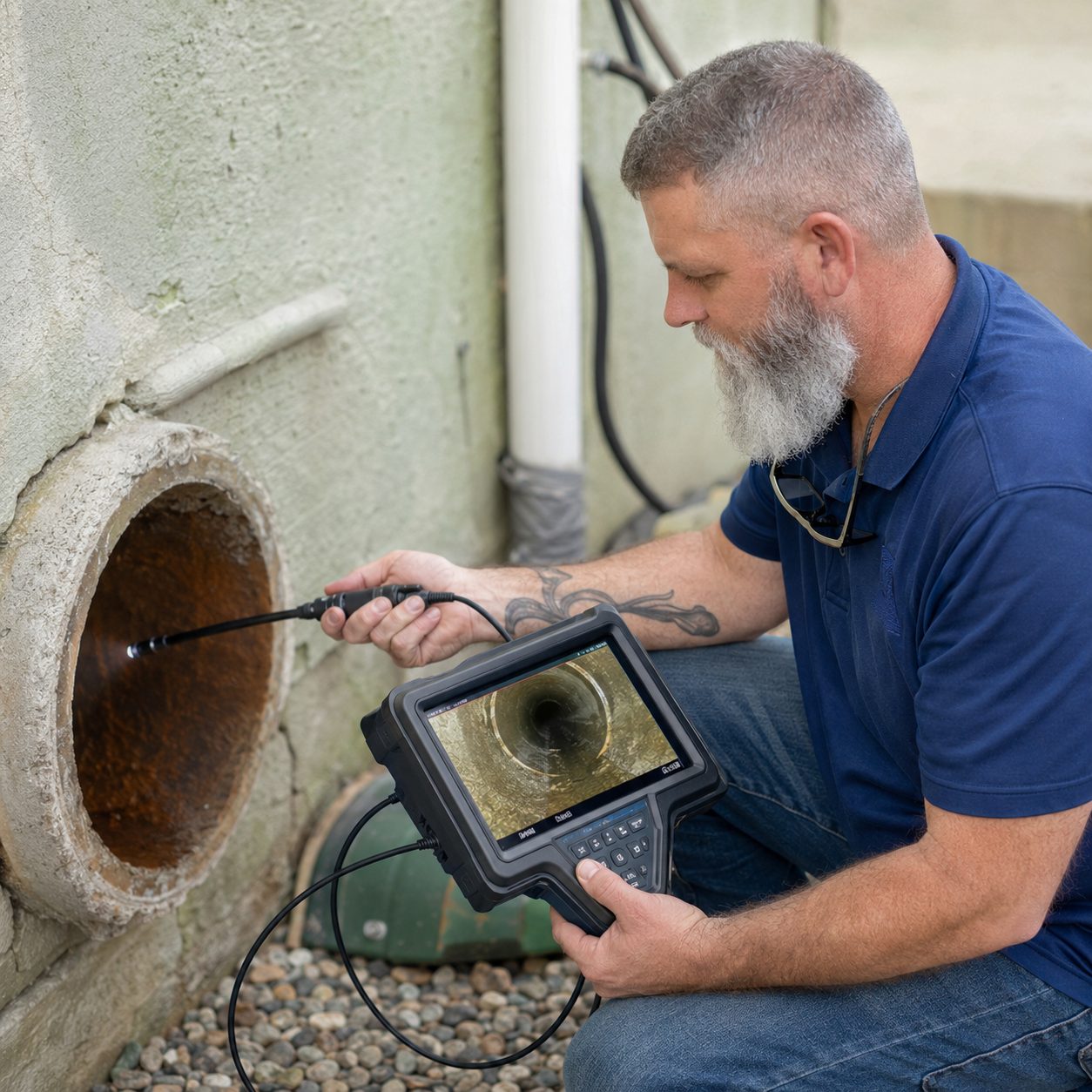
A fix that lasts starts with knowing what is actually in the line. For a drain that clogs repeatedly, or any main-line backup, a camera inspection shows the real condition of the pipe: roots at a joint look very different from a belly, scale, or a break, and each calls for a different solution. Looking first means you are not paying to clear the same line every few months, and you are not paying for a repair the pipe did not need.
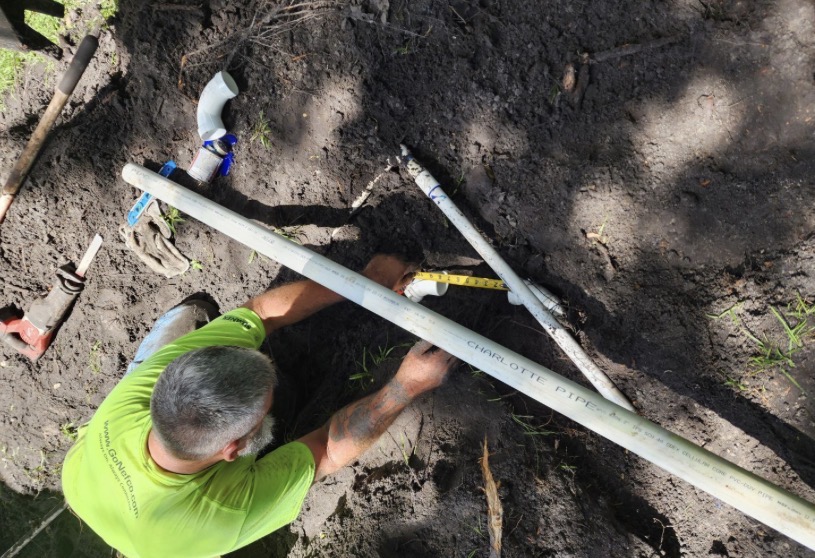
From there the options are usually straightforward. Buildup can be thoroughly cleared rather than just punched through. Roots can be cut back and, if they keep returning, the joint they are entering can be repaired. A bellied or broken section can be replaced. A plain explanation of what the camera showed, and what each option involves, is what lets you make that decision with confidence.
Habits that reduce repeat clogs
No habit fixes a root intrusion or a bellied line, but a few simple ones keep a healthy line from narrowing. Keep grease, coffee grounds and fibrous food scraps out of the kitchen sink. Use strainers in showers and tubs to catch hair. Flush only waste and toilet paper; "flushable" wipes are a frequent cause of main-line clogs. Run hot water for a minute after heavy kitchen use. If your home has hard water, periodic professional cleaning of lines that see a lot of soap and grease can slow the buildup.
Serving Fellsmere and Indian River County
Sembler & Sons Plumbing is a family-owned, Florida licensed plumbing contractor based in Fellsmere. We handle drain cleaning, camera inspections and sewer line repair for homes and businesses in Fellsmere, Sebastian, Vero Beach and the surrounding communities, and we diagnose before we recommend. If a drain in your home keeps coming back, tell us what you are seeing and we will help you figure out why.