A little maintenance goes a long way
Most plumbing emergencies start as small, quiet problems. A short routine of checks throughout the year is the simplest way to catch those problems while they are still minor. None of this requires special tools, and knowing the basics also helps you describe an issue clearly if you do need to call a professional.
Monthly checks
A few quick habits each month can save you real trouble:
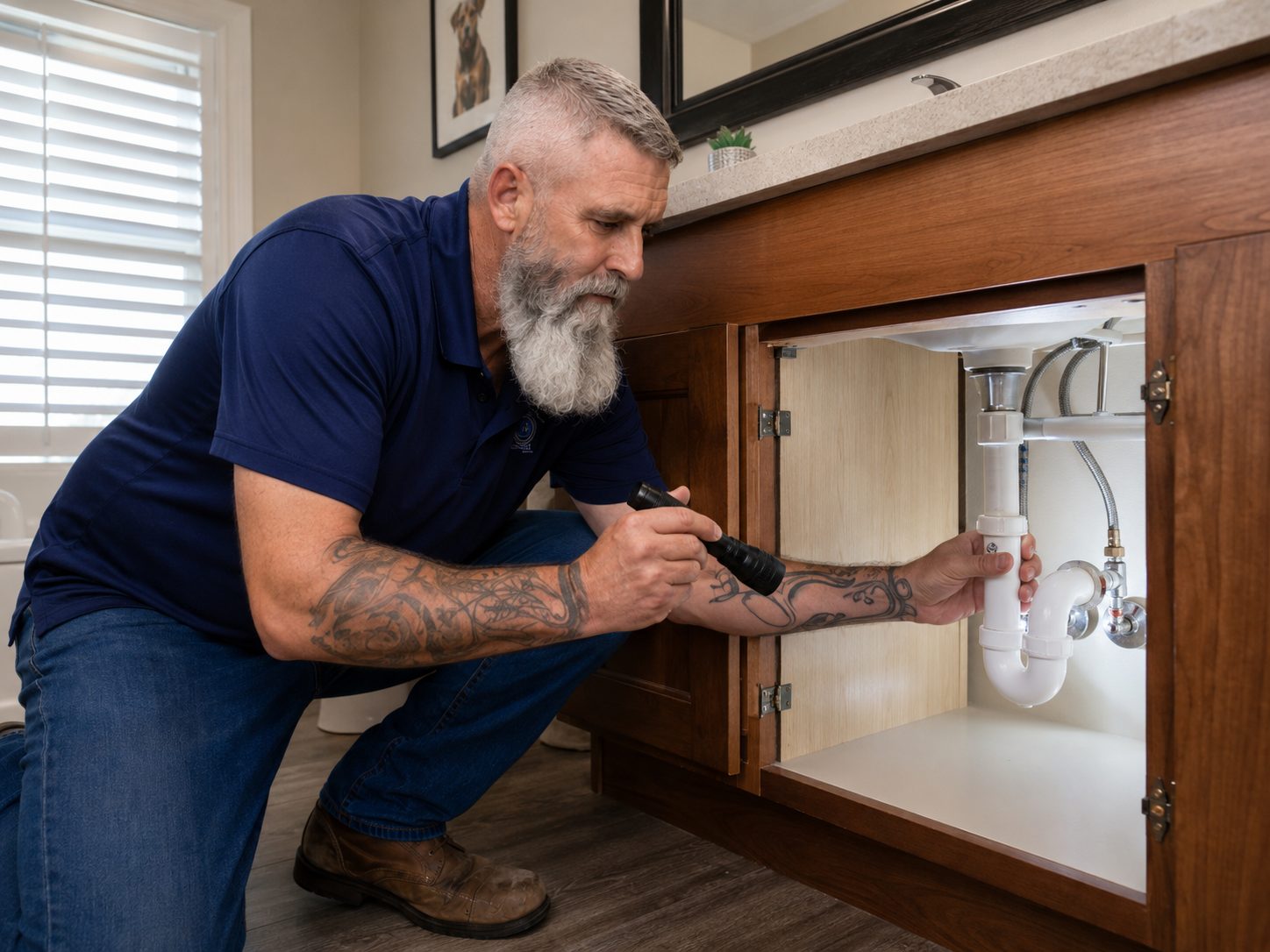
- Look under sinks for moisture, drips, or corrosion at connections
- Watch for slow drains, which often signal early buildup
- Check toilets for running water or a rocking base
- Note any unexplained change in water pressure
Seasonal inspections
Twice a year, take a broader look. Inspect visible supply lines and shutoff valves for corrosion, test that fixtures shut off fully, and pay attention before and during the wet season to how your drains handle heavy rain. Seasonal awareness is especially useful in Florida, where humidity and heavy rain add stress that other climates do not.
Leak prevention and drain maintenance
Preventing leaks is largely about noticing early signs and addressing wear before it fails. For drains, prevention is mostly about what goes in: keep grease, coffee grounds, and fibrous food out of kitchen drains, use strainers to catch hair, and avoid flushing anything beyond the obvious. Harsh chemical drain cleaners are best avoided, as they can damage pipes and rarely address the real cause of a clog.
Water heater care
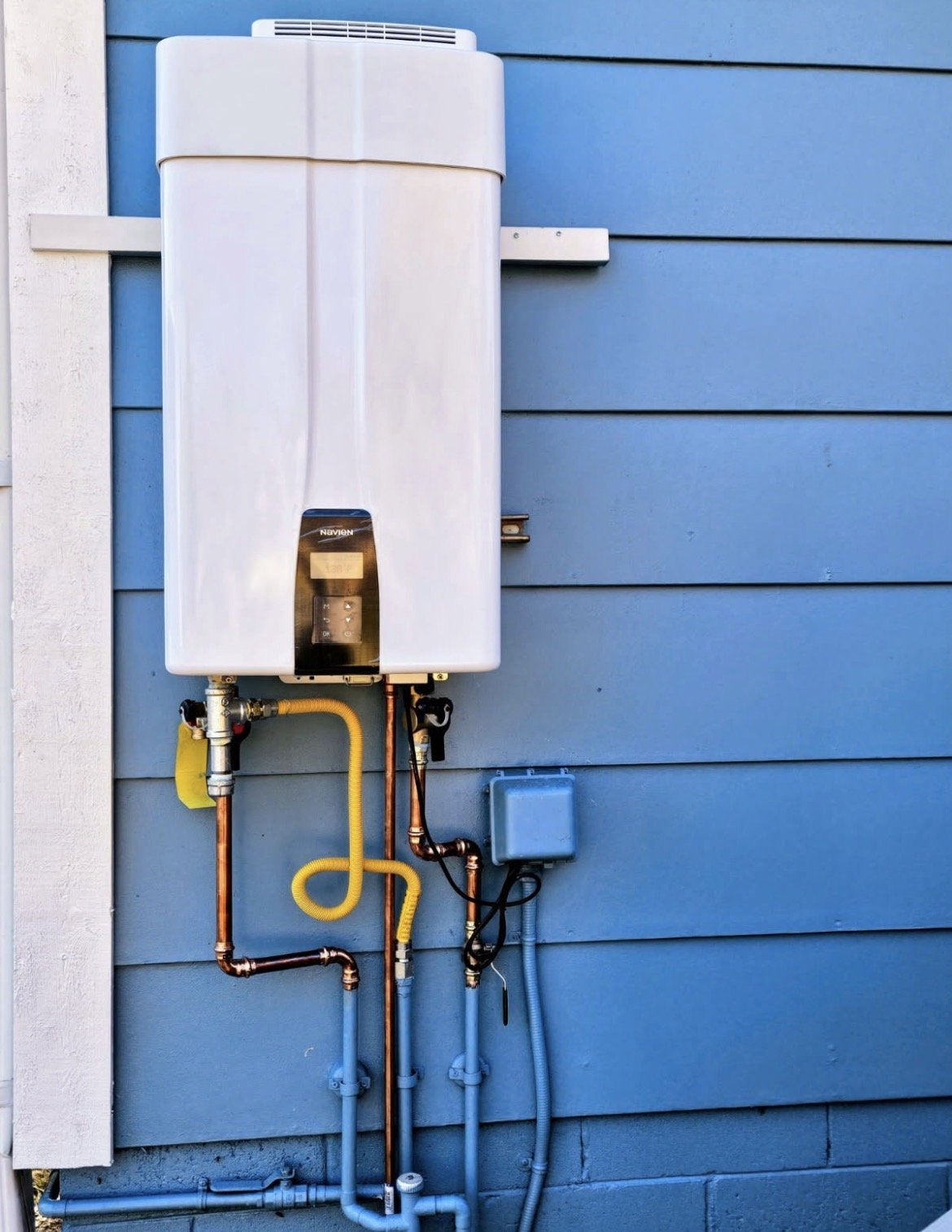
Hard water makes water heater maintenance especially worthwhile here. Periodic flushing helps clear sediment before it insulates the tank floor and forces the unit to work harder. Checking the pressure-relief valve and keeping an eye on the anode rod can extend the life of the unit. If you hear popping or rumbling during heating, sediment is usually the reason.
Know your shutoff valves
Every homeowner should know where the main water shutoff is and how to use it, along with the individual stops at toilets, sinks, and the water heater. In a sudden leak, shutting off the water quickly is the single most effective thing you can do to limit damage. Test these valves occasionally so they are not seized when you need them.
Fixture maintenance and when to call a plumber
Cleaning aerators, replacing worn washers, and addressing a drip early all keep fixtures working well. Some tasks, though, are worth a professional: persistent leaks, anything involving the sewer line or water heater, gas work, and any problem you cannot confidently diagnose. When in doubt, an inspection is a low-risk way to get a clear picture before a small issue becomes a large one.