Why Florida homes see certain plumbing problems
Plumbing is shaped by its environment, and Florida presents a specific mix of conditions: mineral-rich water in many areas, high humidity, sandy soils, mature trees, slab-on-grade construction, and a wet season that delivers heavy rain. Understanding these factors makes it easier to recognize a small issue before it becomes a large one. Below are the problems we see most often, and what usually causes them.
Hard water and scale buildup
Much of the region has hard water with a high mineral content. Over time, dissolved minerals leave scale inside pipes, on fixtures, and along the bottom of water heaters. That scale can reduce flow, leave spotting on glass and fixtures, and make a water heater work harder than it should. Periodic maintenance, and in some cases whole-house filtration, can reduce the impact.
Slab leaks
Many Florida homes are built on concrete slabs, with supply lines running beneath or within the slab. A leak in one of those lines is called a slab leak, and it can show up as a warm spot on the floor, an unexplained jump in the water bill, or the sound of running water when everything is off. Because the pipe is hidden, accurate leak detection matters: locating the source precisely keeps the eventual repair as small as possible.
Aging pipe and corrosion
Older homes may still have original supply lines that are reaching the end of their service life. Coastal humidity and salt air can accelerate corrosion on exposed fittings and connections. A single corroded joint is usually a simple repair, but when leaks begin appearing in several places, the pipe material itself may be failing, which is when repiping enters the conversation.
Tree roots and drain issues
Mature landscaping is part of what makes many neighborhoods attractive, but roots are drawn to the moisture inside sewer lines and can work into joints and cracks. Root intrusion is a leading cause of recurring main-line clogs. When a drain keeps backing up no matter how often it is cleared, a camera inspection is the reliable way to see what is happening underground before deciding on a repair.
Seasonal rain and drainage
The wet season brings sustained, heavy rain that puts extra demand on drainage and sewer systems. Lines already carrying some buildup, or yards that drain slowly, are more likely to struggle during a downpour. A drain that suddenly backs up in heavy rain is worth investigating rather than waiting out.
Fixture wear and water heaters
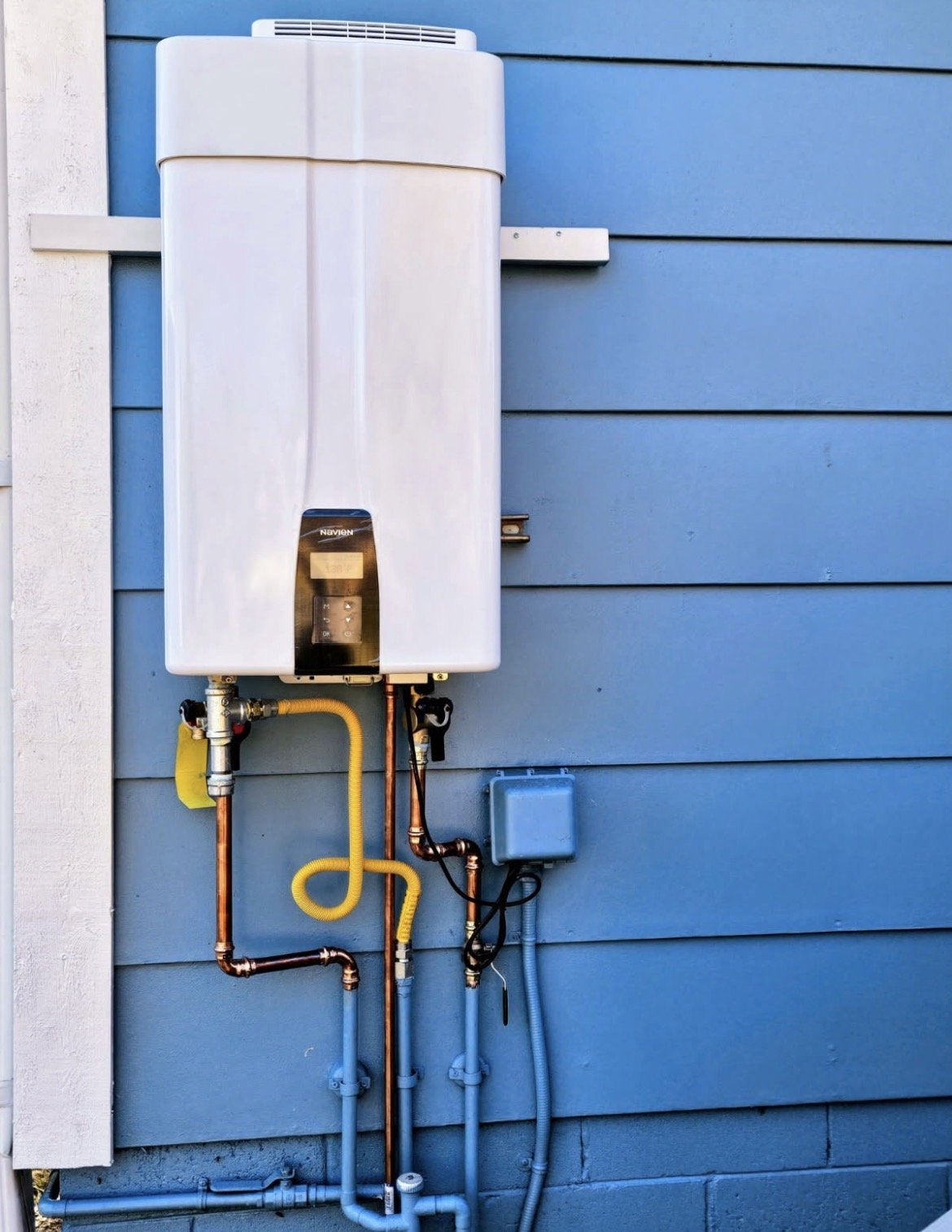
Faucets, valves, and toilets are mechanical, and their internal parts wear with use. A dripping faucet or a constantly running toilet is usually an inexpensive fix that also stops water waste. Water heaters, meanwhile, are affected by hard water and simply by age; sediment, failing elements, and eventually tank corrosion are common. Recognizing the early signs helps you plan rather than react.