What backflow is and why it matters
Under normal conditions, water flows in one direction: from the public supply into your home or business. Backflow is what happens when that flow reverses and used or contaminated water is drawn back toward the clean drinking supply. Because the reversed water can carry fertilizer, chemicals, or other contaminants from irrigation systems, pools, boilers, or equipment, protecting against it is a genuine health matter, not a formality.
A backflow preventer is a valve assembly designed to stop that reversal at the point where a potential cross-connection exists. We install, inspect, test, repair, and replace these assemblies for homes and businesses across Indian River County, and we explain what your particular setup needs before any work begins.
How backflow happens
Backflow generally occurs in one of two ways. Back-siphonage happens when pressure in the main supply drops suddenly, for example during a water-main break or heavy nearby demand, creating a vacuum that pulls water backward. Back-pressure happens when a system downstream, such as irrigation, a pump, or a boiler, pushes at a higher pressure than the supply and forces water back toward it.
In both cases, the risk comes from a cross-connection, a point where the potable supply meets something else. Irrigation lines, pool fill lines, and commercial equipment are the usual places these connections exist.
Common backflow prevention devices
Different situations call for different assemblies, and part of our job is matching the device to the risk. The most common types include reduced pressure zone (RPZ) assemblies, double check valve assemblies, and pressure vacuum breakers (PVB) often used on irrigation systems. Each has its place depending on the degree of hazard and how the connection is configured. We help you understand what your system uses and what makes sense for your property.
Inspection, testing, repair, and replacement
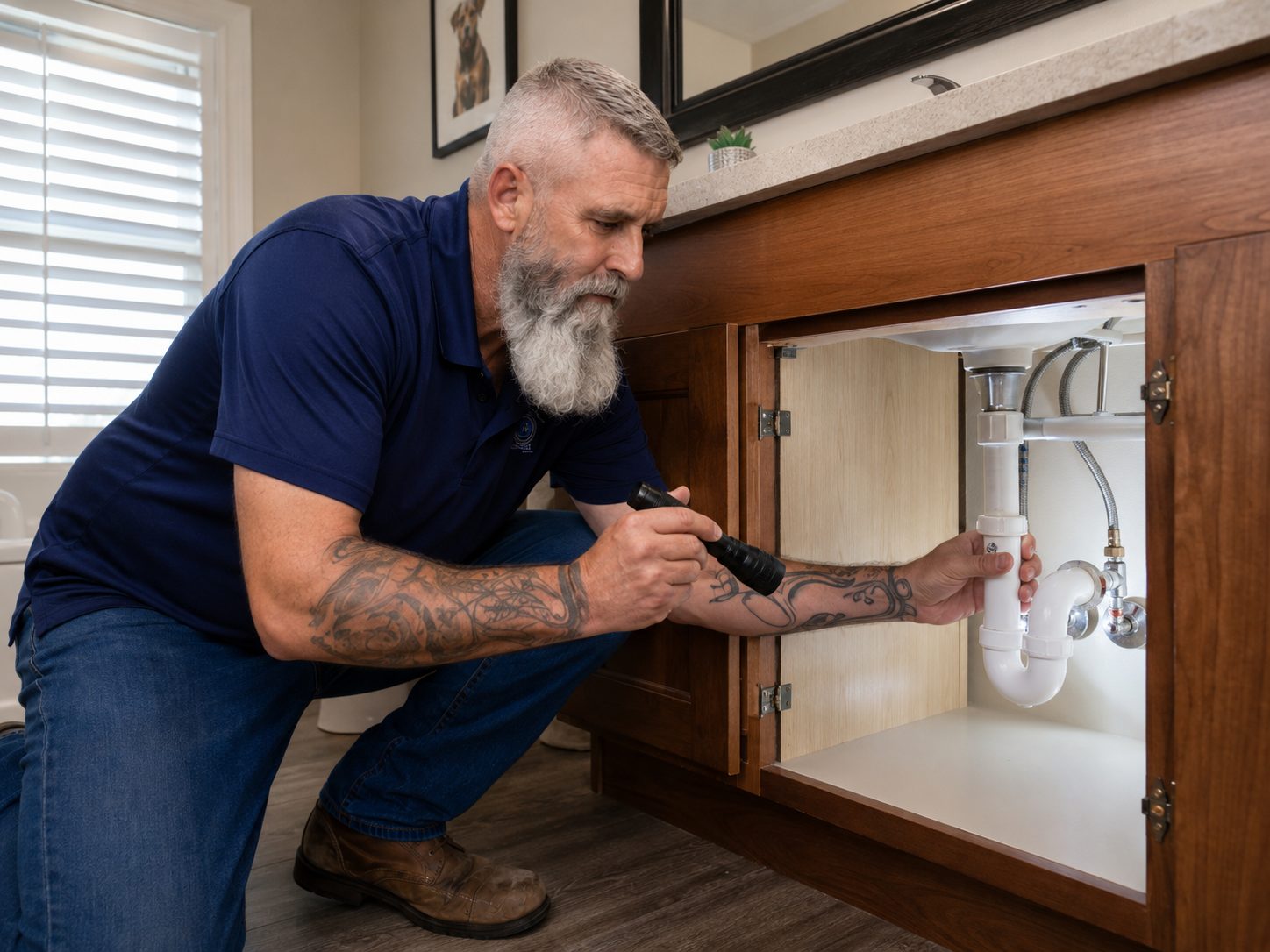
We begin by inspecting the assembly and identifying any cross-connection risks. Backflow devices are mechanical, so they can wear over time, which is why testing is important to confirm the assembly is holding as it should. When a device is not performing correctly, worn checks, springs, and seals can often be rebuilt, while a cracked or badly corroded unit is usually better replaced. We show you the condition and your options rather than defaulting to the most expensive path.
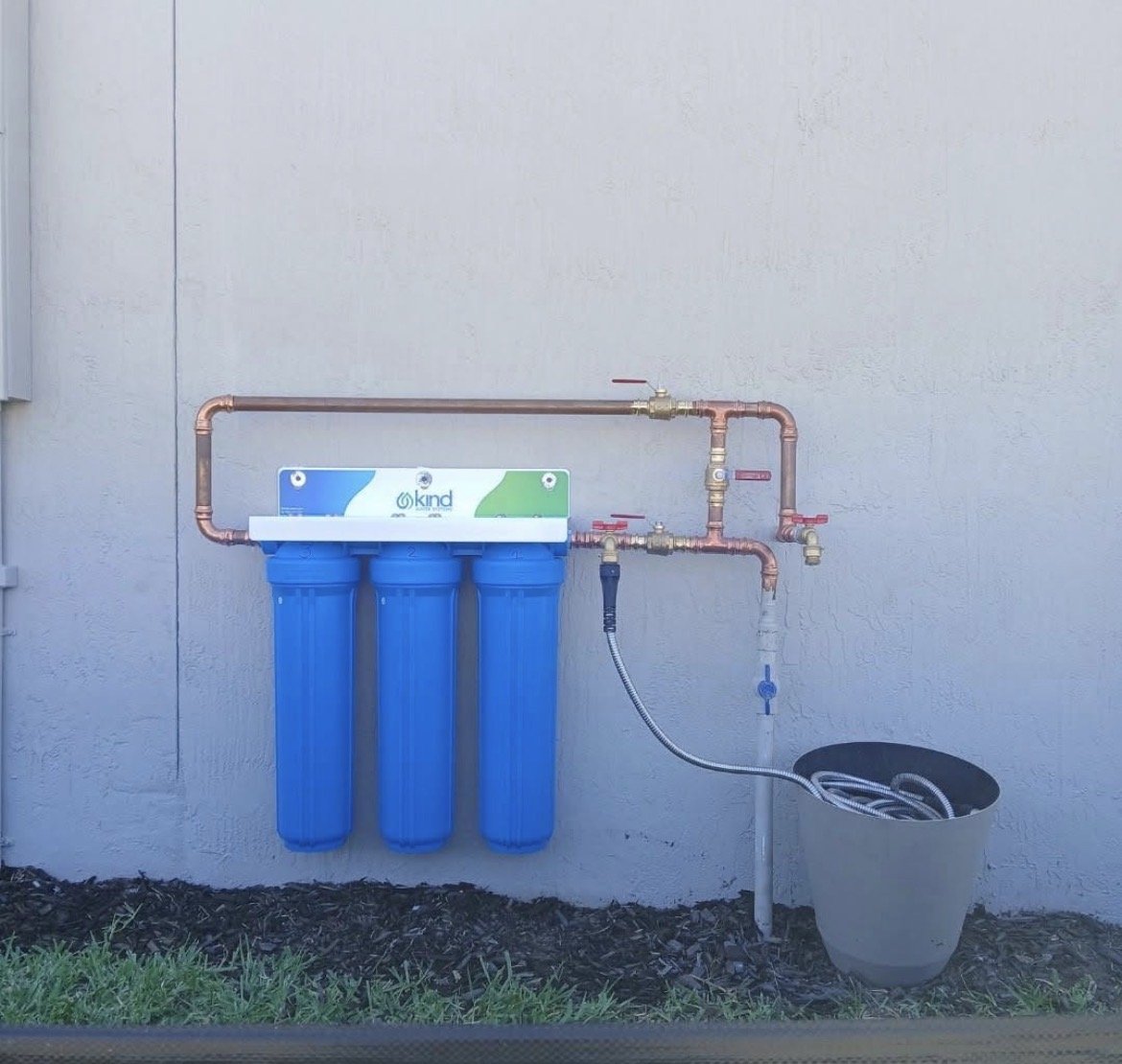
For new water services, irrigation connections, or building requirements, we also install new backflow assemblies sized and configured for the application and installed to code.
Residential, commercial, and irrigation applications
Homes with irrigation systems, pools, or water features typically have a backflow device on that connection, and we service those residential assemblies routinely. Commercial, medical, and multi-tenant buildings often have larger or more complex assemblies, and we confirm the scope of that work per project so expectations are clear.
Irrigation systems are one of the most common reasons a property needs backflow protection, since sprinkler lines sit in contact with soil and fertilizer. If you are adding or updating irrigation, we can make sure the connection is protected correctly.
Maintenance and staying compliant
Many local utilities require periodic testing on irrigation and commercial backflow assemblies. Keeping up with that testing protects your water and keeps you in good standing with your provider. We can test your device, document the results for your records, and let you know what your utility requires so you are not caught off guard.
What affects the cost of backflow work
We base every estimate on the specifics rather than a flat rate. The main factors are the type and size of the assembly, whether the work is testing, repair, replacement, or a new installation, whether it is a residential irrigation device or a larger commercial assembly, and the accessibility and condition of the existing piping. We explain the findings and your options before starting.