Water heater repair in Vero Beach and Indian River County
When the hot water quits, everything from morning showers to running the dishwasher grinds to a halt. Our licensed team repairs both tank and tankless water heaters for homes and businesses across Indian River County, and we start every visit the same way: by finding out what is actually wrong. A water heater can lose performance for many different reasons, and the right fix depends on an accurate diagnosis rather than a guess.
As a family-owned company, our goal is to get your hot water working reliably again without pushing you toward a replacement you may not need. If a repair is the sensible, lasting solution, we will say so. If the unit is near the end of its life and repairs would only buy a little time, we will explain that too, so you can make the decision with clear information in front of you.
Common water heater problems we repair
Most water heater trouble follows a handful of familiar patterns. Recognizing the symptom helps us zero in on the cause quickly during the visit.
- No hot water at all, which often points to a failed heating element, thermostat, igniter, or gas control valve depending on the unit type
- Water that heats but runs out far sooner than it used to, commonly caused by sediment buildup or a weakening element
- Discolored or rusty hot water, which can indicate corrosion inside the tank or an anode rod that has reached the end of its service life
- Popping, rumbling, or crackling sounds during heating, usually a sign of hardened sediment on the tank floor
- Moisture around fittings or water near the base, which needs prompt evaluation before it gets worse
How we diagnose the problem
We begin by confirming the type and age of your water heater and reviewing how it is behaving. From there we check the components that match the symptoms. On an electric unit that may mean testing the upper and lower elements and thermostats, while a gas unit points us toward the burner, thermocouple, igniter, and gas valve. On tankless systems we look at error codes, flow sensors, and mineral scale in the heat exchanger.
This step matters because two units with the same complaint can need very different repairs. Taking the time to confirm the real cause is how we avoid replacing parts that were never the problem.
Repair or replace: an honest assessment
Not every failing water heater is worth repairing, and not every aging one needs to be replaced. We weigh a few practical factors with you: the age of the unit relative to its typical lifespan, the nature of the repair, whether the tank itself is leaking, and how the system has performed overall.
A single failed component on an otherwise sound heater is usually an easy decision to repair. A leaking tank, however, generally cannot be repaired, because the leak means the inner tank has corroded through. When the situation points toward replacement, we walk you through tank and tankless options rather than simply installing the first unit available.
Tank and tankless repairs
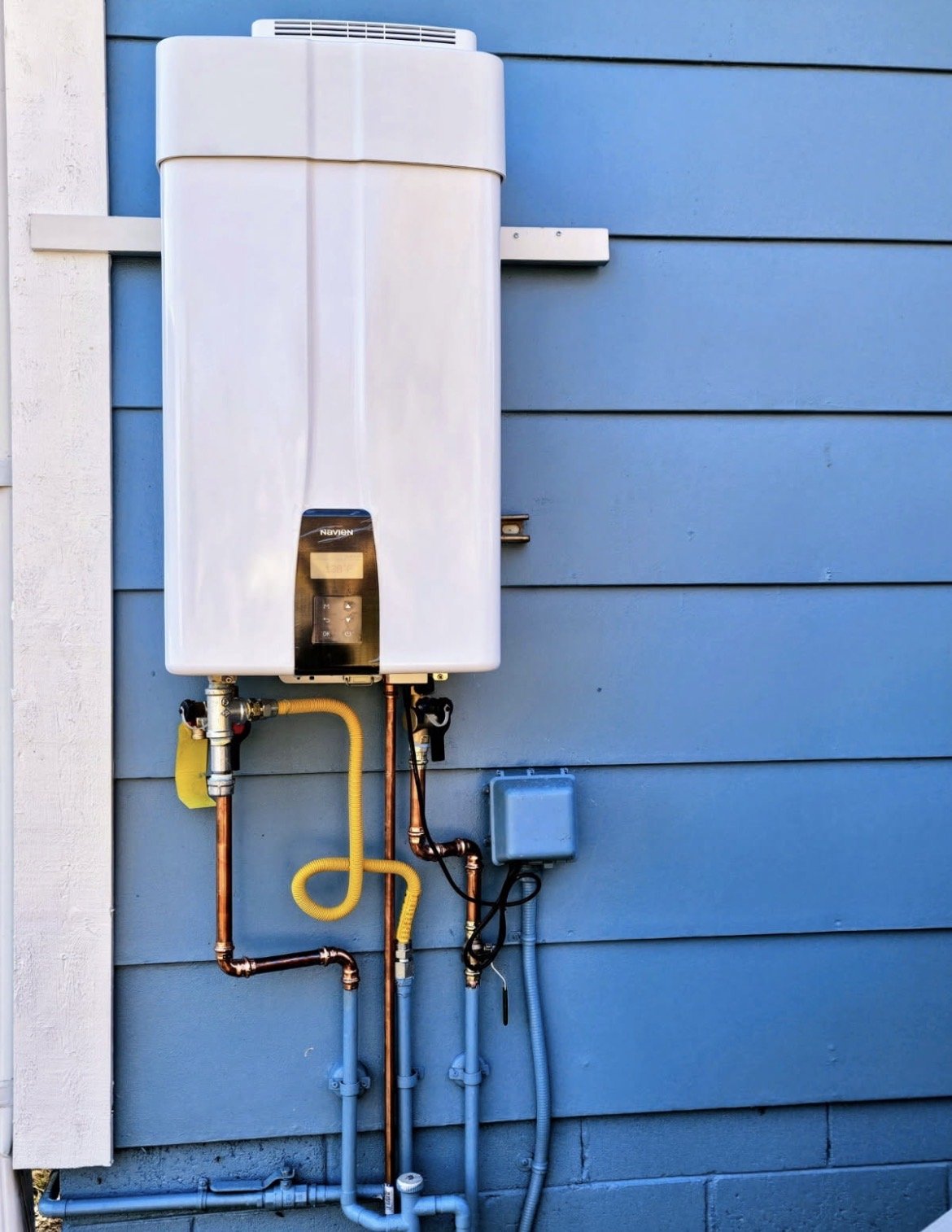
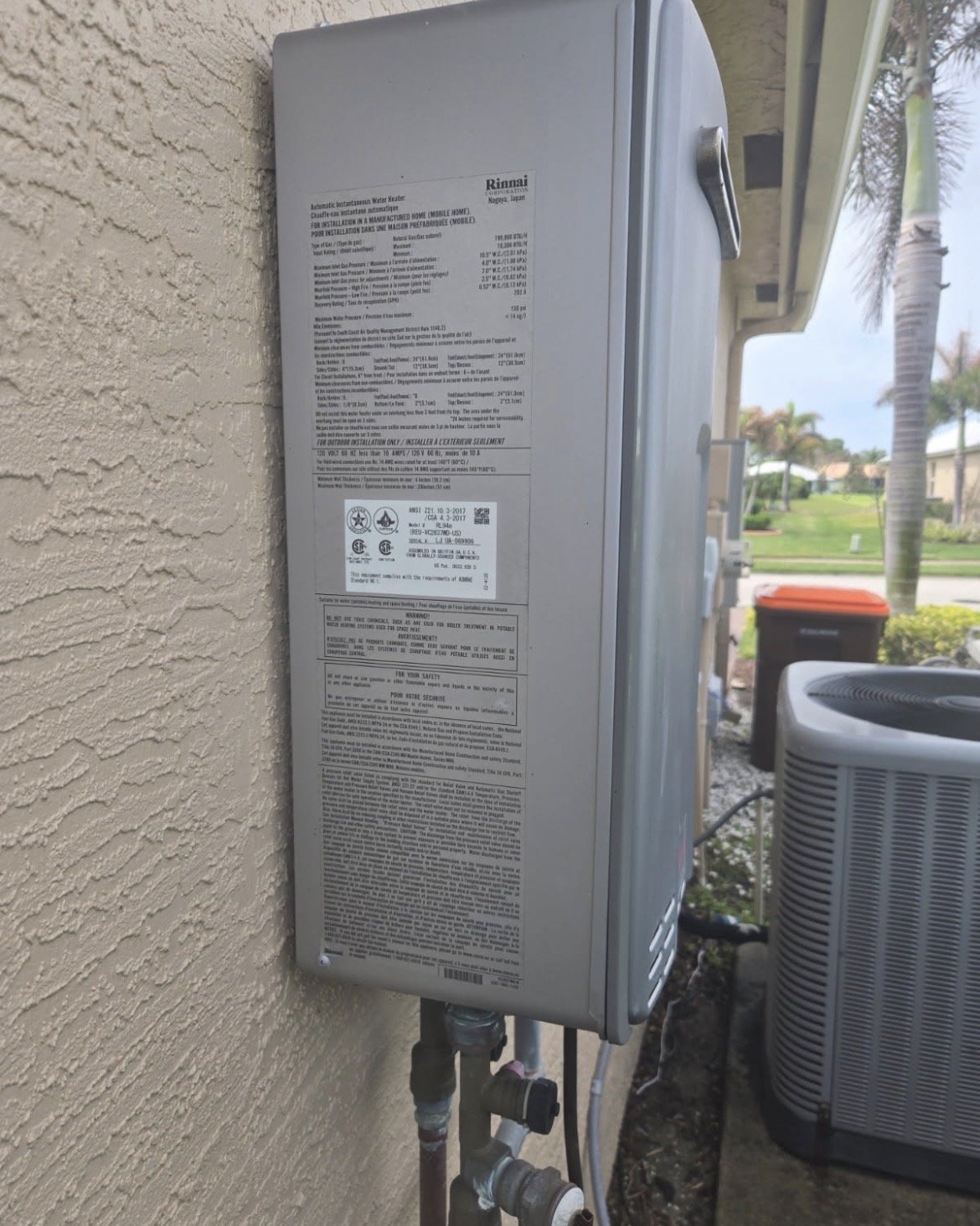
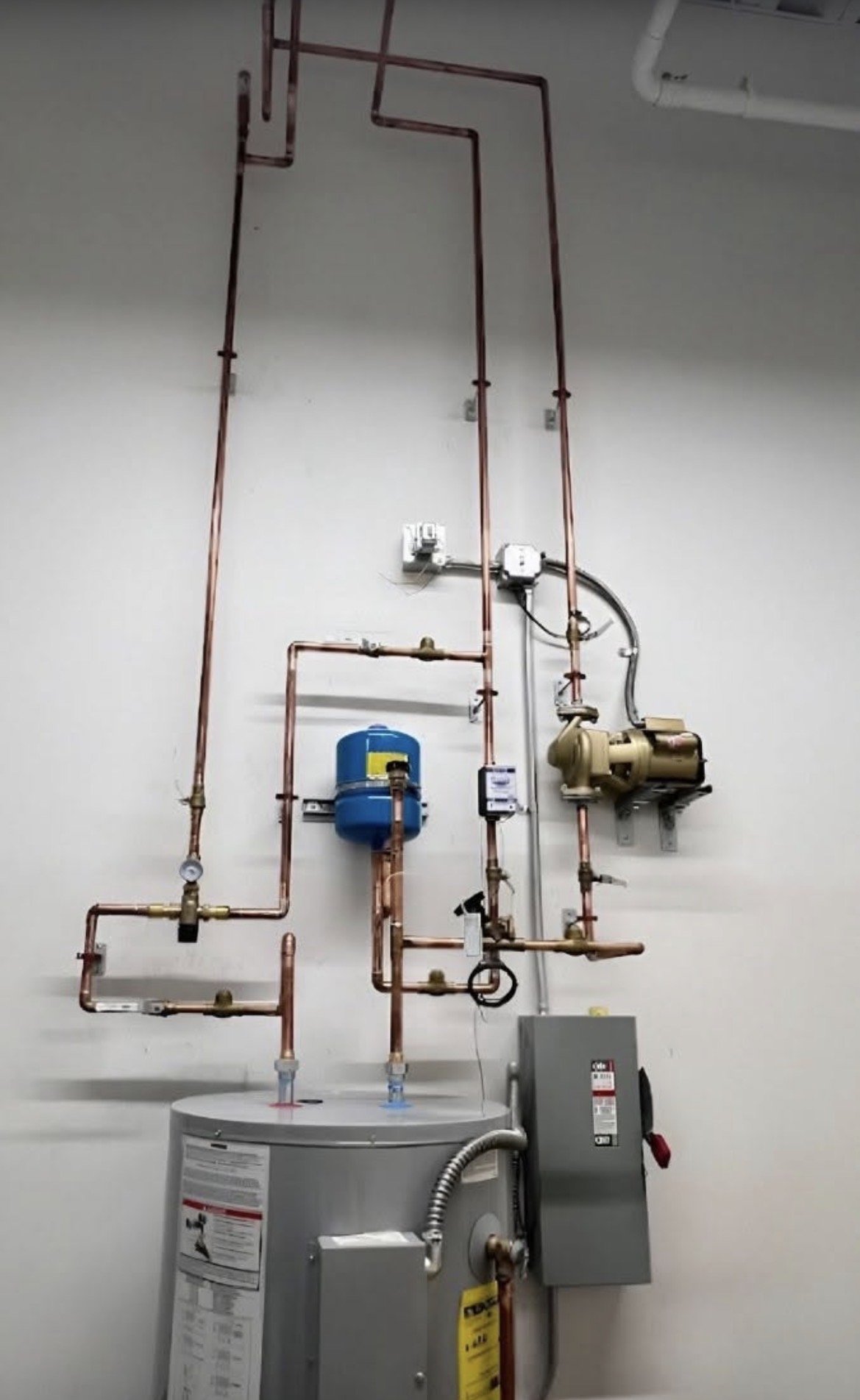
We service both traditional tank water heaters and tankless units. Tank repairs often involve elements, thermostats, gas valves, anode rods, or pressure-relief valves. Tankless repairs frequently center on descaling the heat exchanger, clearing error codes, and servicing sensors and igniters, since mineral scale is a common culprit in our area.
Whatever the system, we complete repairs to manufacturer specifications and local code, then test for safe, steady hot water before we consider the job finished.
Maintenance that extends the life of your heater
A little routine care goes a long way, especially with the hard water found in parts of Indian River County. Periodic flushing helps clear sediment before it insulates the tank floor and forces the burner or element to work harder. Checking the anode rod, testing the pressure-relief valve, and inspecting connections can catch small issues while they are still minor.
If it helps, we can talk through a simple maintenance rhythm that fits your unit and your water conditions, so you get the most reliable service life from the heater you already own.
What affects the cost of a repair
We do not publish flat prices because an honest number depends on what your unit actually needs. The main factors are the type of heater, which parts are involved, the age and overall condition of the unit, and how accessible it is, since heaters tucked into attics or tight closets take more time to service safely. We explain the findings and your options before any work begins, so there are no surprises.