Why older-home plumbing deserves a closer look
Older homes have character, and often plumbing that has been in service for decades. Before you buy, or if you already own an older home, it pays to understand the condition of the system. This checklist walks through what to look at and what each finding tends to mean. A professional plumbing inspection can confirm the details and give you a prioritized picture.
Pipe materials: galvanized and copper
Older homes may contain galvanized steel supply pipe, which corrodes from the inside over many years and can restrict flow and discolor water as it ages. Copper is more durable but can still develop pinhole leaks over time, particularly with certain water conditions. Identifying the pipe material helps you anticipate what to expect and whether repiping may be on the horizon.
Shutoff valves and fixtures
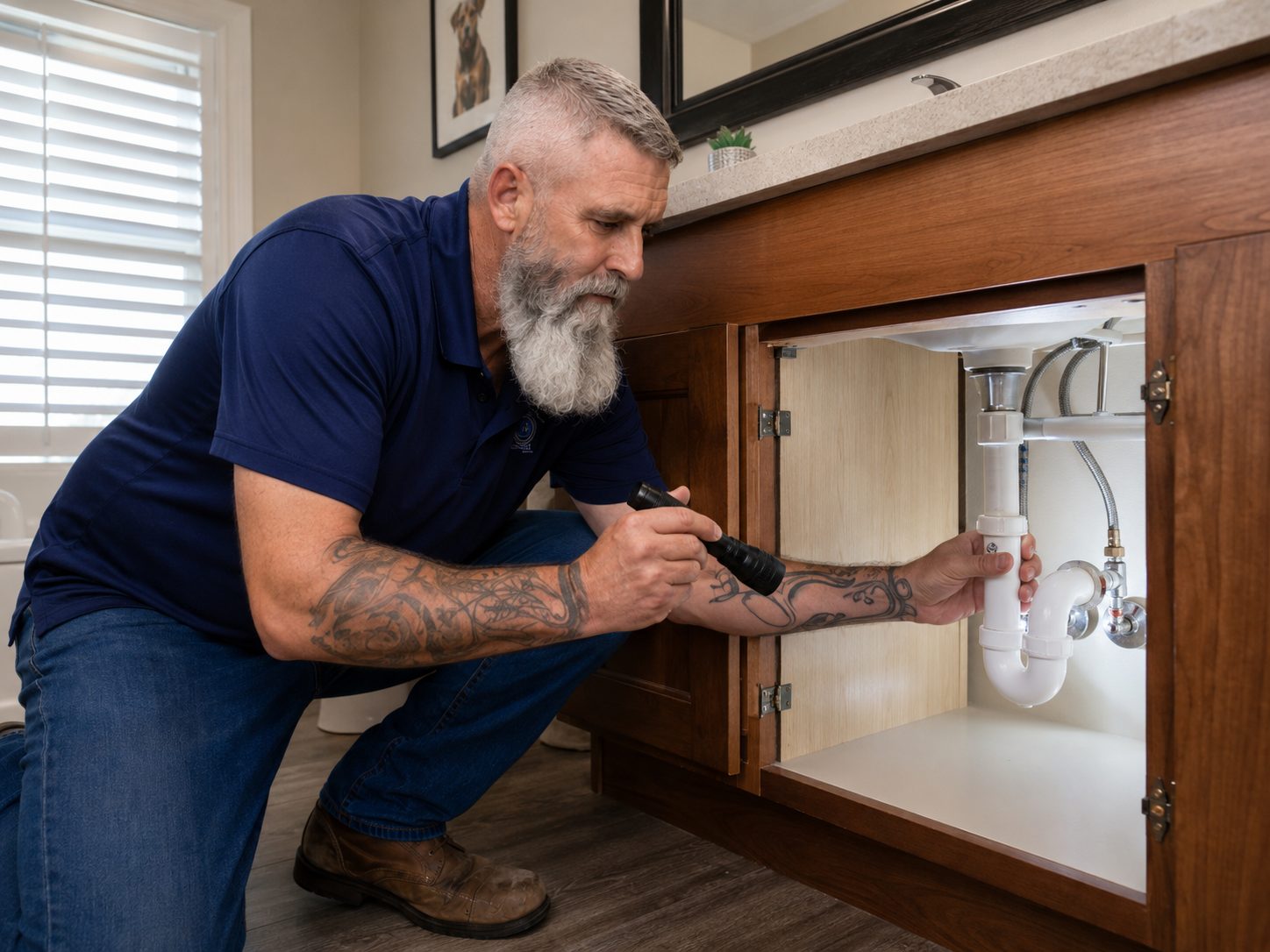
Check that the main shutoff and individual fixture stops turn freely and seal properly; old valves often seize or weep. Inspect faucets, toilets, and tubs for drips, running water, and corrosion. These are usually straightforward to service, but a home full of tired fixtures adds up and is worth factoring into your plans.
Sewer line and camera inspection
The sewer line is one of the most important, and most overlooked, parts of an older home. Because it is buried, the only reliable way to know its condition is a camera inspection, which can reveal roots, cracks, bellied sections, or general deterioration. For a home purchase, this single step can prevent an expensive surprise after closing.
Leaks and water heater
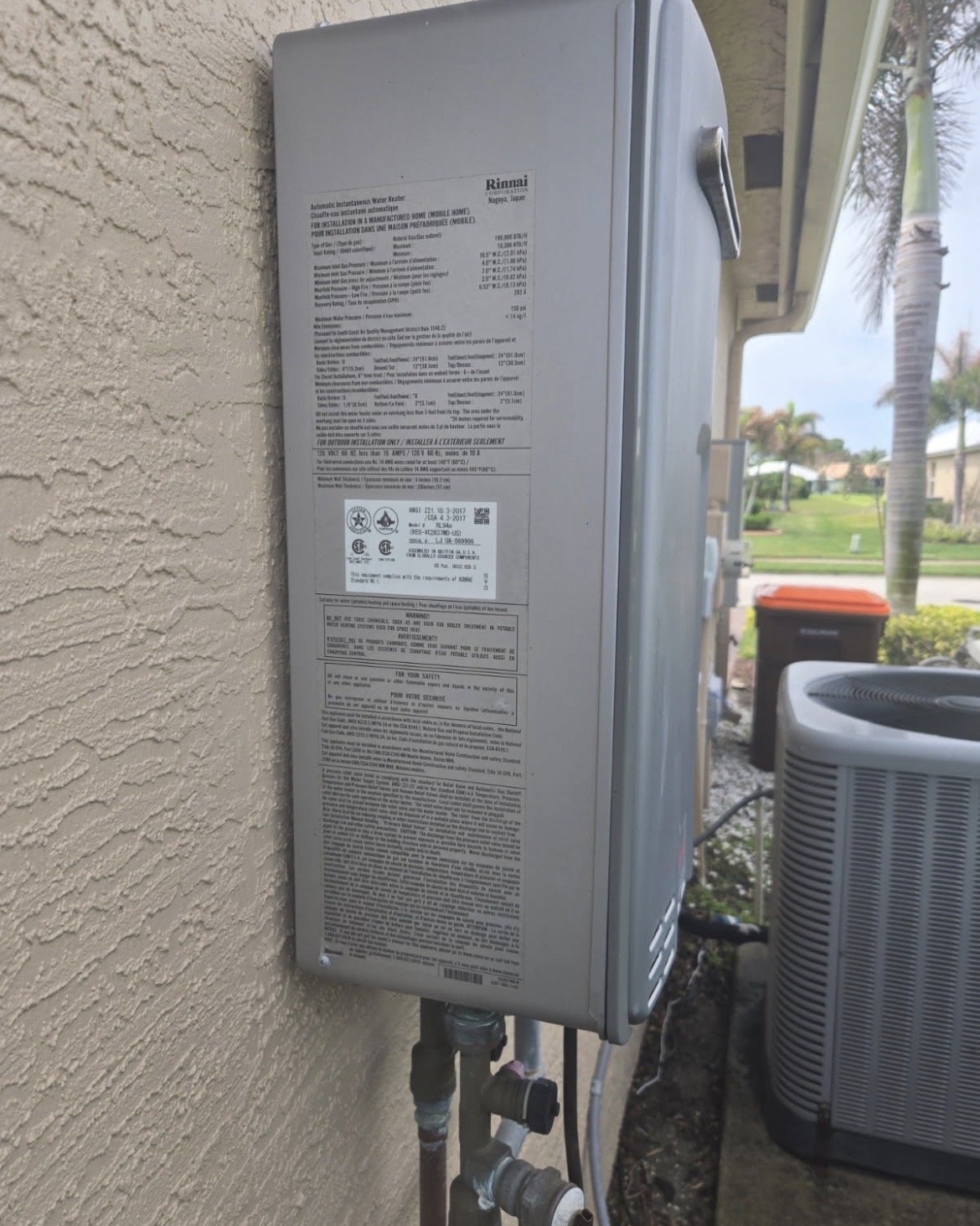
Look for signs of past or present leaks: stains on ceilings and under sinks, moisture, and water-bill history if available. Note the age and condition of the water heater, since an aging unit is a foreseeable future expense. None of these are necessarily deal-breakers, but knowing about them lets you plan.
Get a plumbing inspection before you buy
A standard home inspection is valuable, but a dedicated plumbing inspection goes deeper on the system that can be costly to repair. Knowing the true condition before closing gives you real information and, often, negotiating leverage. We are glad to take that look and explain what we find in plain language, with no pressure to book work.