What backflow is
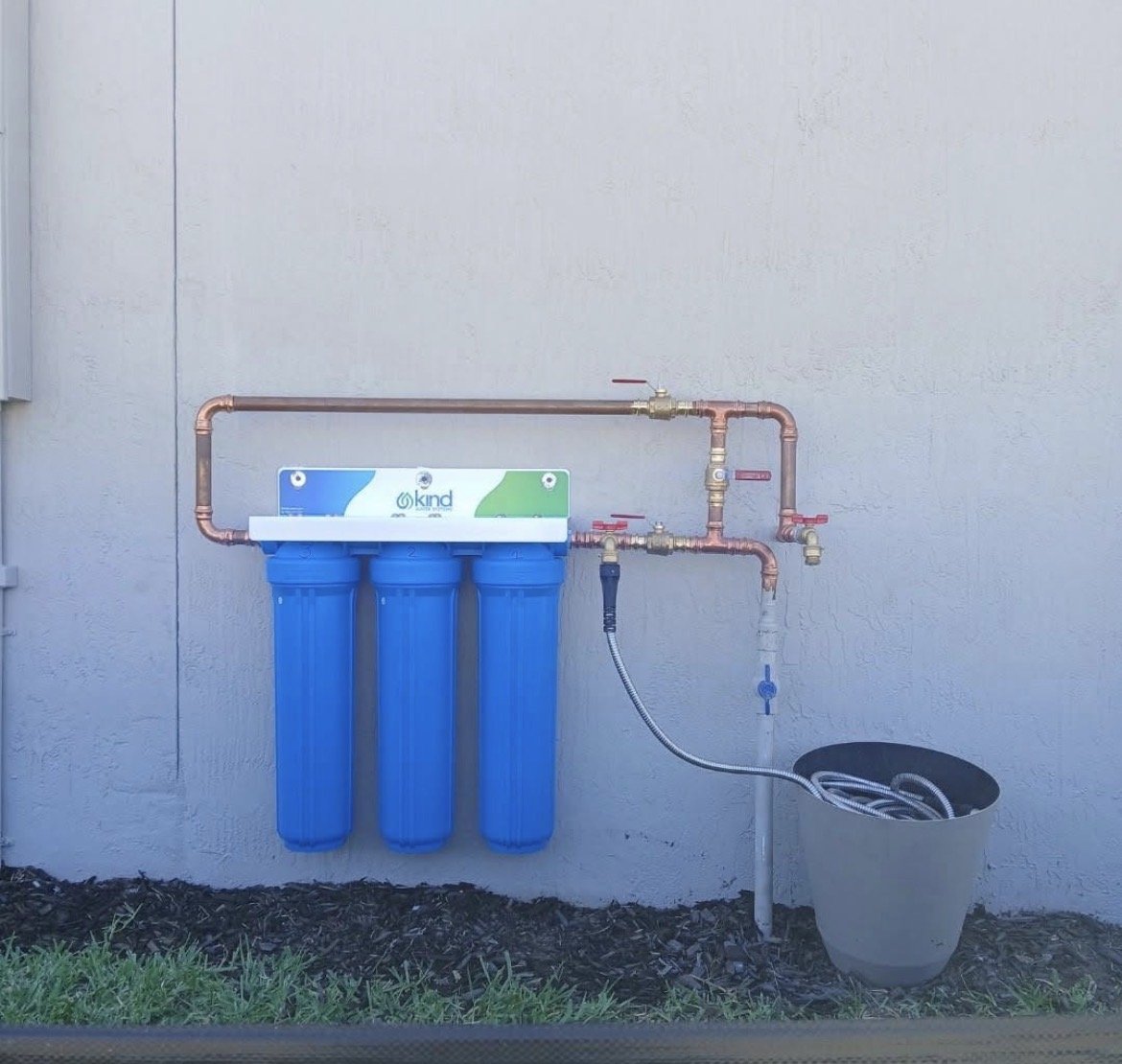
Under normal conditions, water flows one way: from the public supply into your home. Backflow is when that flow reverses and used or contaminated water is drawn back toward the clean supply. A backflow prevention device is a valve assembly that stops that reversal wherever a potential cross-connection exists. This guide explains the basics; for service, see our backflow prevention page.
Why it matters
The concern is contamination. Reversed water can carry fertilizer, chemicals, or other contaminants from irrigation systems, pools, or equipment back toward the drinking-water supply. Preventing that is a genuine health-of-the-water-system matter, which is why many local utilities require protection on certain connections.
How backflow happens
It generally occurs in two ways. Back-siphonage happens when supply pressure drops suddenly, for example during a water-main break, creating a vacuum that pulls water backward. Back-pressure happens when a downstream system pushes at higher pressure than the supply and forces water back toward it. Both rely on a cross-connection, a point where the potable supply meets something else.
Common devices
Different situations call for different assemblies. The most common types include:
- Reduced pressure zone (RPZ) assemblies
- Double check valve assemblies
- Pressure vacuum breakers (PVB), often used on irrigation systems
Irrigation and residential uses
Irrigation is one of the most common reasons a home needs backflow protection, because sprinkler lines sit in contact with soil and fertilizer. Homes with pools or water features may also have a device on that connection. If you are adding or updating irrigation, it is worth confirming the connection is protected correctly.
Inspections and maintenance
Backflow devices are mechanical and can wear over time, so periodic inspection and testing confirm the assembly is holding as it should. Many local utilities require periodic testing on irrigation and commercial assemblies. Worn checks and seals can often be rebuilt, while a cracked or badly corroded unit is usually better replaced. We can inspect and service your device and let you know what your utility requires.